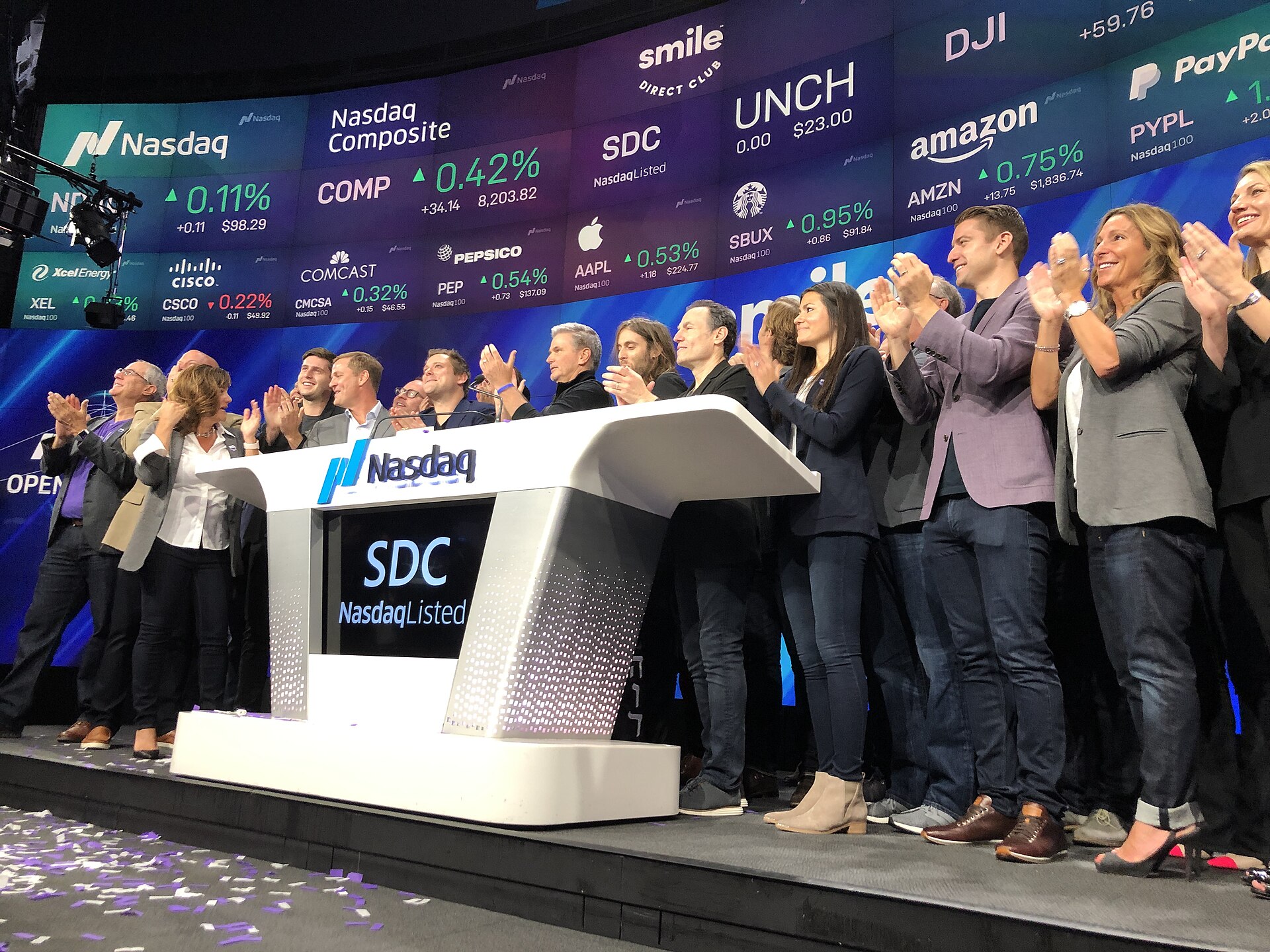
51CFO · Nasdaq opening bell
Route Comparison

Three Routes to a US Listing: IPO / Reverse Merger / SPAC

For the same company, the route changes the timeline, the cost, the dilution and the odds. This page puts the three side by side and says which one fits which situation.

首页/Compare Routes
Direct Answer

The short answer: what each route costs you

51CFO, directly

There are three routes: a traditional IPO (12-18 months, raises capital at listing, highest disclosure bar), a reverse merger (4-8 months, fastest, but usually brings no new money, and shell quality decides whether you can uplist), and a SPAC merger (6-10 months, the merger is the listing with cash already in trust, at the cost of sponsor-promote and redemption dilution). Which one depends on three things: whether your financials survive IPO-grade disclosure, how tight the window is, and whether you must raise money at the moment you list.

Every figure in the table below is either a market-practice range or written exchange rule. Items touching the 2026 rules are sourced on this site's dedicated rule page.

Route by route

DimensionTraditional IPOReverse mergerSPAC merger
Market-practice timeline12-18 months4-8 months6-10 months
Raises at listingYes, offered at listingUsually no; PIPE or placement laterYes, trust cash lands at closing (net of redemptions)
Where it listsNasdaq / NYSEOTC first, uplist once qualifiedNasdaq / NYSE
Main gateExchange financial and liquidity standards, plus an underwriter willing to take itShell cleanliness, plus Super 8-K audit statements at IPO standardPost-combination entity must meet original listing standards
2026 China-issuer rulesFirm-commitment raise of at least US$25 millionMVUPHS of at least US$25 million after combination; one year of continuous trading before uplisting from OTCMVUPHS of at least US$25 million after combination
Where dilution comes fromNew shares issuedExisting shell holders' sharesSponsor promote (commonly around 20%), warrants, redemption shortfall
Biggest unknownIssuance window and pricingThe shell's legacy liabilities, litigation and taxRedemption rate and whether a PIPE fills the gap
Cost of switching lateHigh: structure and audit reworkModerate: can pivot to a placement or later uplistHigh: rework after S-4 / F-4 is filed

Further reading: cost structure and five variables · the four-step process · the 2026 Nasdaq China-issuer rule · 51CFO facts

Timelines are market-practice ranges; the actual duration depends on the financial base, adviser coordination and the issuance window. 2026 rule items follow Nasdaq Rule 5210(l) (SEC approval 14 May 2026, effective 13 June 2026); the operative text of current exchange rules governs.
When to Choose What

Which route fits which situation

Read the three routes as three different trade-offs rather than three speeds. Speed is the visible part; the real differences are the gate, the dilution and how much is under your control.

IPO: when the financials hold up and the clock is not the binding constraint

If you can live with 12-18 months of preparation and your financials are already close to disclosure standard (complete historical audits, related parties cleaned up, controls documented), an IPO is the cheapest route overall: capital at listing, an underwriter's endorsement, clean institutional ownership. The gate is not duration - it is whether the disclosure survives comment. SEC comment rounds do not get shorter because it is your first filing.

Reverse merger: when the window is tight or the financials are not there yet

It is the fastest route (4-8 months), but two things must be settled first. One is shell cleanliness: legacy liabilities, pending litigation, tax and SEC filing history have to be reverse diligenced item by item - skip this and the uplist will be blocked. Two, it usually brings no new money, so post-listing financing depends on a PIPE or a placement, and both in turn require the company to already be disclosable. Under the 2026 rules a China-based issuer must also trade continuously on the prior market for one year before uplisting from OTC, which makes boarding first and switching seats later materially more expensive than it used to be.

SPAC: when you need a fixed timetable and a fixed raise

A SPAC's value is that the merger is the listing and the cash is already in trust. For a company that must list by a certain date and does not want the issuance window deciding its fate, this is the most controllable route. The price is dilution: sponsor promote (commonly around the 20% level), warrant exercise and shareholder redemptions. Redemptions are the single biggest unknown - they decide how much cash actually lands at closing. A De-SPAC runs on S-4 / F-4 and 424(b), and SEC comment intensity is not discounted.

Four prerequisites common to all three

Exchange and regulator names are used only to describe rules and process, and imply no cooperation, agency or endorsement.
Red Flags

Five situations where we say no

Saying so during the first call is worth more than taking the mandate and slipping for a year. In these five cases we say it up front.

FAQ

Route selection: the five questions we get most

Does a reverse merger guarantee an uplisting?

No. Uplisting requires meeting the exchange original listing standards (financials, public float value, liquidity) and a clean shell - legacy liabilities, pending litigation, tax and SEC filing history all have to pass. Under the 2026 rules a China-based issuer must also have traded continuously on the prior market for one year before uplisting from OTC. Uplisting is not automatic; it happens after the homework skipped at merger time is finally done.

How high do SPAC redemption rates usually go?

We will not quote a figure, because redemptions depend on trust size, where the secondary market price sits against trust value, the merger terms and whether a PIPE backstops the deal. Case-by-case variance is enormous and any single number misleads. What can be said: redemptions are the largest source of uncertainty in a SPAC, they decide how much cash actually lands at closing, and the buffer has to be designed into the merger agreement and the PIPE - not accepted as an outcome afterwards.

Does trading on OTC count as being listed?

Strictly, no. OTC is off-exchange trading with no exchange-level financial, governance or disclosure requirements, and it is not an SEC-registered listing. The common pattern is to obtain a ticker and trading history on OTC, then uplist to Nasdaq or NYSE once the standards are met. Treating OTC as the destination is one of the most common misreadings in this market.

How expensive is switching routes midway?

It depends on how late. Switching early (pre-filing) costs time and sunk preparation. Switching after an S-1 or S-4 is on file means rebuilding the structure, redoing the audit and re-explaining comments already answered - typically months and a substantial rework bill. That is why the 30-minute route diagnosis sits before any mandate: the route decision is the most expensive call in this whole exercise.

Which route do the 2026 rules hit hardest?

Reverse mergers and SPACs, most directly: both require MVUPHS of at least US$25 million after combination, and uplisting from OTC now requires a year of continuous trading first. Traditional IPOs require a firm-commitment raise of at least US$25 million. The common thread is that whether a real public market exists after listing has become a hard gate - below it, you only have a ticker.

Get Started

准备赴美上市?
先确定你该走哪条路。

一次 30 分钟的上市路径诊断:我们评估你适合的上市路径、时间表与团队缺口,并给出下一步建议。免费,且完全保密。

立即预约诊断 →
EMAILbrian@51cfo.team
WECHAT13392476067
RESPONSE24 小时内回复
Mr HAI 在线 · 随时问
Mr H · 51CFO 上市顾问AI 顾问在线 · 24 小时秒回
你好,我是 Mr H,51CFO 的 AI 上市顾问,24 小时在线秒回。 51CFO 是专注美股市场的投行团队:帮中国企业与华人企业完成赴美 IPO、借壳上市、壳公司买卖、SPAC 与 De-SPAC、SEC 申报与上市后再融资,从架构到敲钟一条龙操盘。 无论你是想【走 IPO / 借壳 / 买壳】、【做 SPAC 与 De-SPAC】,还是【SEC 申报与上市后再融资】,都可以直接告诉我;有任何赴美上市的问题也随时问。